Weight Loss Injections: Getting Results That Actually Last
Weight loss injections are helping thousands of women see real results — and it's not hard to understand why. When you've spent years trying to shift weight with little to show for it, something that genuinely works feels like a lifeline.
But the prescription doesn't come with a plan for what happens next. Medication can change your appetite, but it can't change your habits, your relationship with food, or the patterns that have built up over years. This is where Alex steps in.
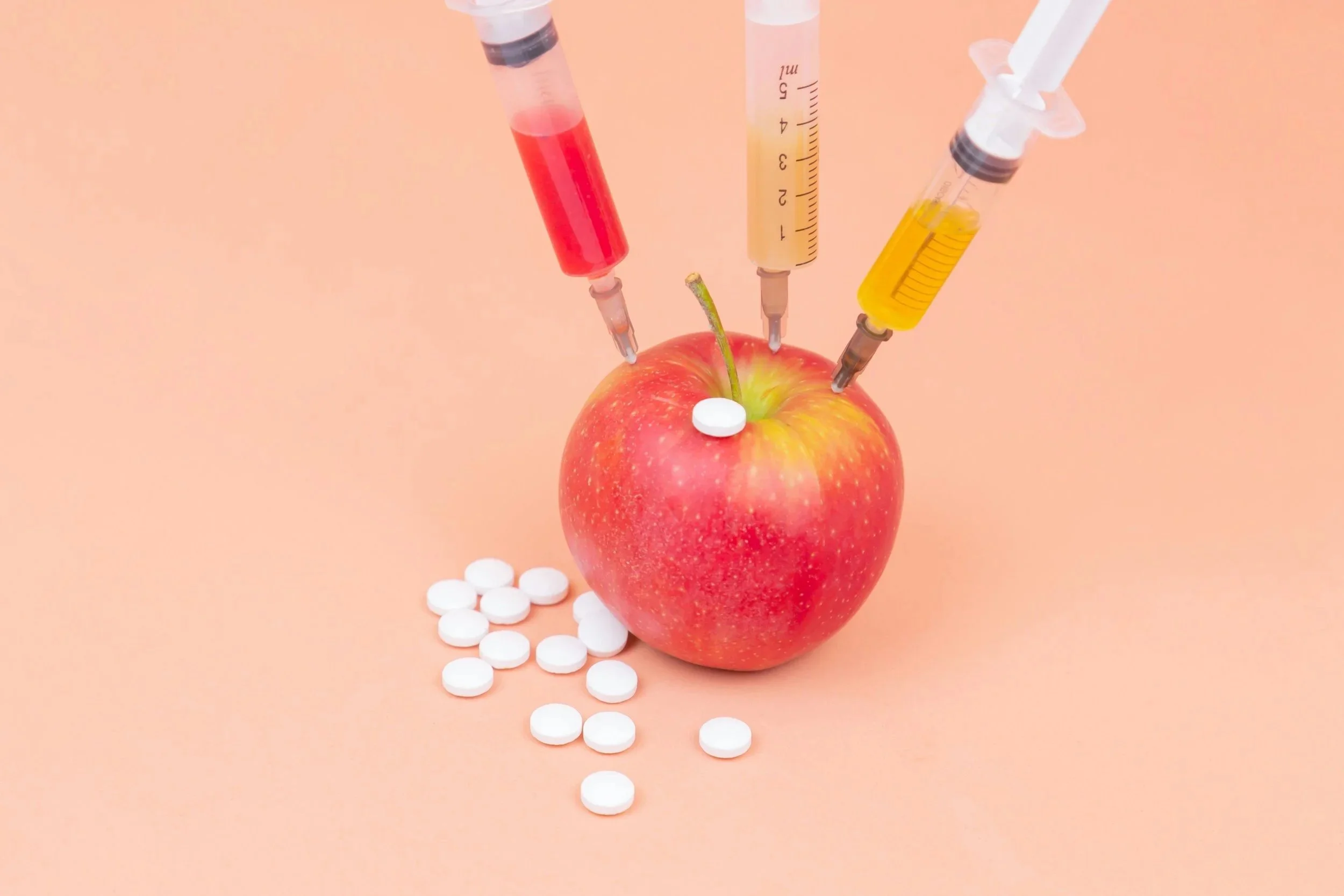
What Weight Loss Injections Actually Do
GLP-1 drugs — including Ozempic, Wegovy, and Mounjaro — work by mimicking a hormone your body naturally produces after eating. They slow digestion, reduce appetite, and dial down cravings. For many women, the result is a significant reduction in how much they want to eat.
These medications work. But they do so in a specific way — by making it easier to eat less. What they don't do is change the behaviours and emotional patterns around food that drive weight gain in the first place. And that distinction matters more than most people realise.
The Problem Nobody Talks About
When women stop taking weight loss injections — by choice, due to cost, or on medical advice — the appetite suppression stops too. If the habits aren't there to fill that gap, the weight often comes back.
"An Oxford review found that after stopping weight-management medicines, many people return to their starting weight within around 18 months to two years."
"A Cambridge analysis found that about 75% of the original weight loss was reversed after coming off the drug."
"Roughly 1 in 10 people on weight loss injections lose less than 5% of their body weight — a significant number for a treatment often called a silver bullet."
There's also emerging evidence that a meaningful share of weight lost on GLP-1 drugs may be lean muscle mass rather than fat — particularly relevant for women in midlife.
None of this is a reason to avoid injections. It's simply worth knowing — because the women who get lasting results are the ones who use this window to build something that holds.
The Habit Hierarchy: What Makes Weight Loss Last
Lasting fat loss doesn't come from intensity. It comes from repeatable behaviours that become routine. Here's the framework Alex uses with every woman he works with:
Self-Prioritisation — Most women are brilliant at showing up for everyone else. Their own health gets what's left over. Building sustainable change starts with genuinely deciding that your health matters too.
Planning Routines — Willpower is unreliable. Structure isn't. A simple weekly planning habit removes hundreds of small decisions that would otherwise drain you. The women who maintain their results aren't more disciplined; they're more prepared.
Minimum Standards — The small non-negotiables you hold to even on your worst weeks. Not perfection — just the basics that stop a hard week from becoming a hard month.
Nutrition Basics — Prioritising protein, eating in a way that keeps you satisfied, and protecting muscle mass are the foundations. Not a rigid plan — an understanding of what your body actually needs.
Sleep — Underrated and under-discussed. Poor sleep raises hunger hormones, increases cravings, and makes every other healthy behaviour harder to sustain. For women in midlife especially, improving sleep can be genuinely transformative.
Where Are You Right Now?
“I'm thinking about injections — is there a better way?"
It's a valid question. For some women, building habits first creates a foundation that delivers results with or without medication. The Sustainable Change team has supported over 4,500 women to lose weight sustainably — it’s worth knowing your options before you decide.
“I'm currently using injections — how do I make the most of them?"
The women who get the best long-term results from injections are the ones who build habits alongside the medication — not after. Use this window to establish better eating patterns, add movement, and improve your sleep. The medication is doing some of the heavy lifting right now. The goal is making sure you're not dependent on it to keep the results.
“I've come off injections — how do I keep the weight off?"
Weight regain after stopping GLP-1 medication is common, and the fear of it is real. It happens not because of lack of willpower, but because the medication was doing work that habits weren't yet in place to do. NICE guidance recommends behavioural support continues for at least a year after stopping treatment — and this is exactly what Alex and the Sustainable Change team specialise in.
Why Sustainable Change?
Alex Neilan is a sports nutritionist and behaviour change coach. Sustainable Change is his specialist team of dietitians, psychologists, nutritionists, and coaches — with over 4,500 success stories across the UK and Ireland, and a particular focus on the challenges women face in midlife: hormonal shifts, emotional eating, and lives that leave little room for self-care.
What our clients say
"My physical and mental health has never been as good. I lost two stone, two dress sizes — and I found myself again as a woman." —Clare
"I just couldn't go without medicating. Now I take absolutely nothing and I don't have those aches and pains anymore. When I went under 100 kilos, I went straight to the top of the hill I'd never been able to climb. I was so overwhelmed with emotion and so proud of myself." — Samantha
"I was great at saying I don't care, I'm fat and happy — but I was miserable. Everything changed. I went from a size 22 to an 8. I printed my before and after and put them on a canvas. It's the first thing I see when I wake up. I don't want to be that woman anymore. I like this one." — Mish
Ready to Build Results that Last?
The women who do best aren't the ones who found the fastest fix. They're the ones who built a healthier life they can actually keep.
Wherever you are in your journey, Alex and the Sustainable Change team are here to help you make it stick.